A Deep Dive into Underwater Construction: Techniques and Innovations in Marine Engineering Apr 15, 2026
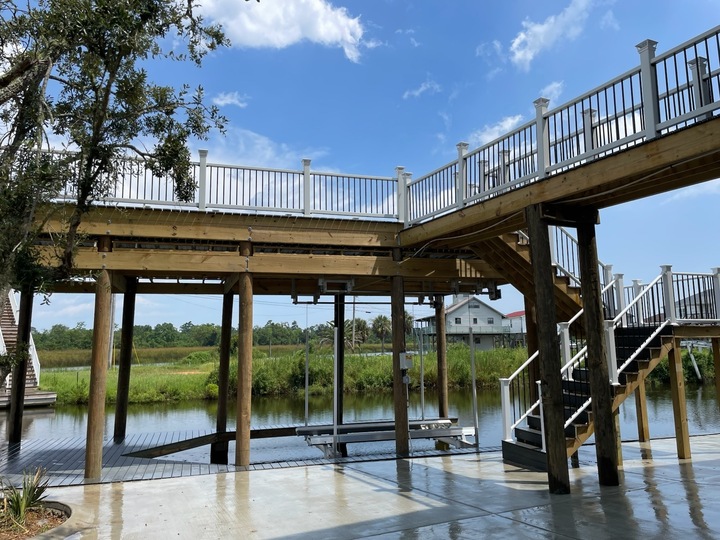
Underwater construction is a niche within civil engineering that involves a complex array of techniques tailored to the specific challenges posed by aquatic environments. Whether building docks, piers, or submerged tunnels, each technique must tackle unique pressures, temperatures, and operational challenges. The initial stage of construction involves detailed site surveys using sophisticated sonar and GPS technology to ensure precise planning and execution.
Once the site is prepared, techniques such as dredging, cofferdam creation, and piling come into play. Dredging is essential to remove sediments, enabling a stable foundation for structures. In contrast, cofferdams provide dry work areas by blocking water, allowing constructors to work as they would on solid ground. Piling, which involves driving heavy posts into the seabed, is critical for securing structures against dynamic aquatic forces.
However, traditional methods are continuously evolving to incorporate innovative practices, enhancing both efficiency and sustainability. Coastal Marine Construction, for instance, has embraced cutting-edge technology to improve project outcomes. Robotics in marine construction represents a significant advancement, offering enhanced precision and safety. Remote-operated vehicles (ROVs) and autonomous underwater vehicles (AUVs) are increasingly used to perform tasks that may be risky or challenging for human divers, such as detailed inspections and simple construction tasks.
Additionally, the integration of marine construction software has revolutionized project planning and execution. By simulating different environmental conditions and construction scenarios, engineers can anticipate potential challenges, ensuring better-prepared project plans and reduced risks. This approach not only saves time but also significantly cuts costs, benefitting clients and contractors alike.
Sustainability also sits at the forefront of these innovations. Understanding the environmental impact of marine construction is crucial. Companies like Coastal Marine Construction are increasingly adopting sustainable materials and practices. The use of eco-friendly construction materials that resist corrosion and reduce marine pollution is becoming standard. Plus, construction techniques that minimize disruption to aquatic ecosystems help in maintaining biodiversity and reducing long-term environmental impacts.
However, even with these advancements, underwater construction is unpredictable and demands meticulous planning and execution. Coastal Marine Construction prides itself on understanding the unique nature of each project, ensuring every task is executed with precision and commitment to quality. By combining cutting-edge technology, sustainable practices, and a skilled team, they deliver outstanding results that meet modern infrastructure demands while safeguarding the environment.
In conclusion, underwater construction is a fascinating field that embodies the intersection of technology, engineering, and environmental considerations. The innovative techniques employed in this domain continue to redefine what is possible in marine infrastructure development. Companies like Coastal Marine Construction are at the forefront of these changes, ensuring that each project not only meets the highest standards of quality and sustainability but also advances the capabilities and knowledge within marine engineering. By choosing such visionary partners, projects are equipped not only to withstand but to thrive in the dynamic, challenging environments beneath the surface.
/filters:no_upscale()/filters:format(webp)/media/52dee92d-1981-4638-be85-8f5e5430d6df.webp)