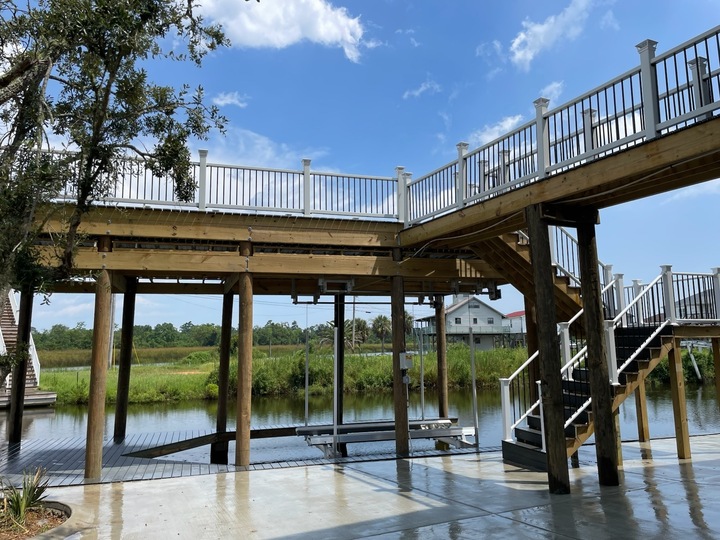
Balancing Nature and Development: Eco-Friendly Coastal Construction Solutions Feb 16, 2026
Coastal regions are dynamic environments where land meets ocean, creating unique challenges for construction projects. Factors such as erosion, habitat disruption, and rising sea levels must be taken into account. Eco-friendly coastal construction focuses on minimizing the environmental footprint of building projects while maximizing their utility. This approach not only safeguards the environment but also promotes long-term sustainability for both nature and human communities.
Utilizing innovative materials and techniques is a cornerstone of eco-friendly construction practices. By choosing sustainable materials that offer durability and have minimal environmental impacts, companies can significantly reduce the carbon footprint of their projects. For instance, recycled steel and eco-concrete, which uses less energy to produce and emits fewer pollutants, are excellent choices for building marine infrastructure. These materials help stabilize shorelines and provide resilience against extreme weather conditions, making them ideal for coastal development.
Another vital aspect of environmentally conscious marine construction is the design and installation of infrastructure that complements natural landscapes rather than replacing them. Incorporating natural coastal features into design plans can enhance the stability and resilience of construction projects. For example, using natural vegetation as a buffer can reduce erosion and foster habitat development. These green infrastructures not only blend seamlessly into the environment but also offer long-term benefits by building up natural defenses against elements such as storm surges and sea-level rise.
The implementation of technology is also a boon for eco-friendly construction. Advanced modeling tools can simulate environmental impacts before construction begins, allowing companies to tweak designs to optimize ecological preservation. Drones and remote-sensing equipment are valuable for monitoring ongoing projects with minimal disturbance to local wildlife, ensuring that adjustments can be made swiftly if environmental concerns arise during construction.
Community involvement and education play significant roles in the success of eco-friendly coastal construction. By engaging with local communities, companies can gain insights into the regional environment, allowing them to make informed decisions that reflect both ecological needs and social priorities. Transparent communication with stakeholders and ongoing educational programs can foster a culture of environmental stewardship, ensuring the success and acceptance of construction projects.
In conclusion, balancing nature and development in coastal areas is no easy feat, but it is crucial for sustainable progress. Coastal Marine Construction exemplifies how marine industries can lead the charge toward a more sustainable future. By utilizing sustainable materials, integrating natural design elements, leveraging advanced technology, and engaging local communities, these companies can develop infrastructure that meets today's demands without compromising tomorrow's ecosystems. As we continue to address the challenges posed by climate change and increasing coastal development, eco-friendly construction solutions will be critical in fostering a harmonious relationship between humans and nature along our precious coastlines.
/filters:no_upscale()/filters:format(webp)/media/52dee92d-1981-4638-be85-8f5e5430d6df.webp)