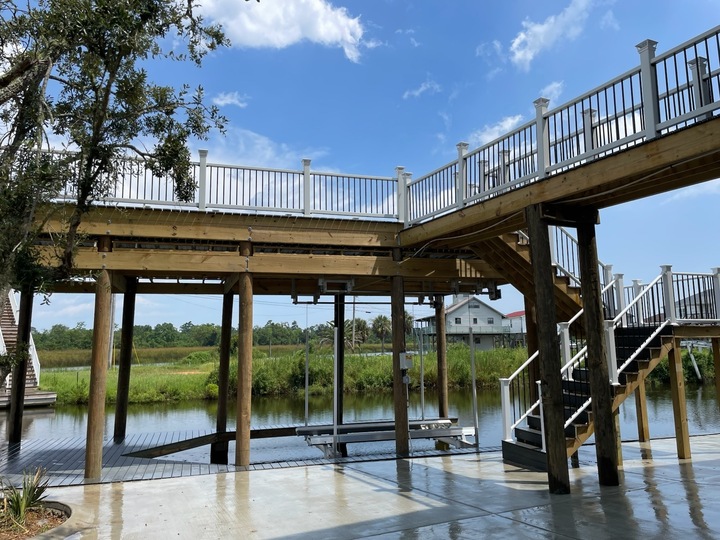
Green Engineering: Building Eco-Sensitive Marine Structures for Future Generations May 10, 2026
Understanding the importance of environmentally friendly methods in marine construction is crucial. Traditional marine construction often results in significant environmental disruption, harming vital underwater ecosystems. Green engineering, however, offers solutions that mitigate environmental impact, utilizing innovative techniques and sustainable materials.
One of the primary principles of green engineering in marine construction is minimizing habitat disturbance. This can be achieved through strategic planning and precise execution. For instance, at Coastal Marine Construction, projects begin with thorough environmental impact assessments. These assessments identify sensitive areas and species, guiding engineers to design structures that fit naturally within the local habitat. By choosing locations that cause the least disruption, the company not only preserves marine life but also enhances the structure's long-term stability.
Another key aspect is the use of environmentally friendly materials. Many traditional construction materials can have detrimental effects on marine environments. Coastal Marine Construction opts for sustainable materials such as recycled steel or eco-friendly concrete composites. These materials reduce the carbon footprint associated with production and are often more resilient to marine conditions.
Additionally, the integration of renewable energy sources into marine structures significantly boosts their sustainability. From solar panels to underwater tidal turbines, Coastal Marine Construction implements energy generation systems that not only power the structures themselves but can also contribute to local energy grids. This approach not only cuts down on fossil fuel dependency but also demonstrates how marine structures can play a role in combating climate change.
Moreover, Coastal Marine Construction is pioneering techniques that allow marine structures to act as artificial reefs. Designed with specific shapes and surfaces, these structures encourage marine life colonization. Over time, they provide habitats for fish, coral, and other marine organisms, enhancing biodiversity and increasing the ecological value of the projects. This organic integration into marine environments exemplifies sustainable development in its purest form.
Finally, ongoing monitoring and maintenance are crucial to ensure that these eco-sensitive structures continue to benefit their environments. Coastal Marine Construction employs advanced monitoring technology to track environmental variables and structural integrity. This data-driven approach allows for adaptive management, ensuring that both the human-made and natural elements of the marine environment thrive.
Green engineering in marine construction represents a commitment to innovation, sustainability, and responsibility. Coastal Marine Construction’s dedication to these principles demonstrates that it is possible to balance human progress with environmental stewardship. By building eco-sensitive marine structures, they provide lasting solutions that protect marine ecosystems while supporting the infrastructural needs of communities.
In conclusion, Coastal Marine Construction’s approach to green engineering offers a blueprint for the future of marine construction. By favoring harmony over disruption and sustainability over short-term gain, they are setting a standard for future projects to follow. As we look ahead, the importance of such practices will only grow, serving as a foundation upon which future generations can build and thrive. Exploring these advancements helps ensure that our marine environments continue to flourish alongside human development.
/filters:no_upscale()/filters:format(webp)/media/52dee92d-1981-4638-be85-8f5e5430d6df.webp)