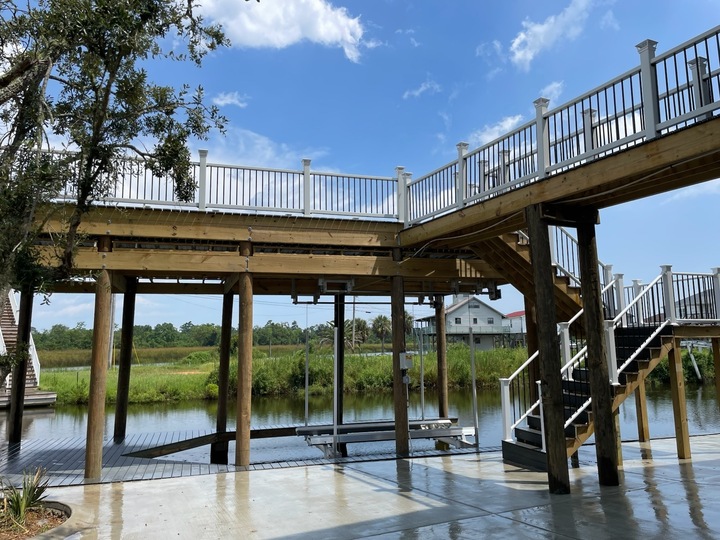
Harnessing Natural Elements: Innovative Approaches in Marine Construction Jun 05, 2026
Marine construction traditionally involves the building and management of structures such as docks, seawalls, and piers. However, the sector is rapidly evolving to incorporate sustainable practices. One of the pioneering methods in this shift is the use of natural materials that blend more seamlessly with marine ecosystems. For example, oysters are being used to fortify shorelines instead of concrete barriers. These bivalves filter pollutants from the water and provide a natural habitat for other marine life. Such approaches ensure that construction efforts are in harmony with nature, rather than disruptive to it.
Another innovative practice taking center stage is the development of artificial reefs through environmentally friendly means. These structures, made from materials like repurposed steel and concrete, serve dual purposes: they provide protection against erosion and foster marine biodiversity. Over time, they become teeming with life, transforming barren areas into vibrant undersea communities.
Floating structures are also gaining traction. Floating docks, marinas, and even entire floating communities offer versatility while minimizing the disturbance of seabed ecosystems. This technology is especially beneficial in regions prone to rising sea levels, offering sustainable and adaptive solutions to the challenges posed by climate change.
Moreover, renewable energy integration is a significant innovation in marine construction. Coastal areas are perfect for harnessing wind, solar, and tidal energy. Projects now often include features like solar panels on docks or wind turbines integrated into offshore platforms. These not only offer construction solutions powered by green energy but also set a precedent for sustainable energy practices in coastal developments.
Project planning in marine construction now involves comprehensive environmental impact assessments. At Coastal Marine Construction, we prioritize understanding the local ecosystems before any project begins. Our assessments consider the effect of construction on local wildlife, water quality, and coastal erosion. By doing so, our strategies include mitigation measures that allow the project to proceed with minimal environmental disruption.
Incorporating technology is another innovative element altering the landscape of marine construction. Using advanced software and drones, we can map underwater topography with precision, leading to more accurate and efficient project execution. These technologies provide real-time data that helps us make informed decisions, reducing both costs and environmental footprints.
The commitment to sustainable practices in marine construction is not just about preserving the planet. It’s about ensuring that future generations can enjoy and benefit from these coastal environments as much as we do. At Coastal Marine Construction, our goal is to lead the industry by integrating sustainable practices that promote conservation alongside construction.
In conclusion, the innovative approaches in marine construction that harness natural elements are paving the way for a more sustainable future. By utilizing smart design, sustainable materials, and cutting-edge technology, Coastal Marine Construction endeavors to protect and enhance the marine environments that are vital to our planet. These practices not only comply with environmental regulations but also advocate for a cleaner, more sustainable world, ideally situated where land meets sea.
/filters:no_upscale()/filters:format(webp)/media/52dee92d-1981-4638-be85-8f5e5430d6df.webp)