Innovative Foundation Techniques: Ensuring Stability in Coastal Marine Construction May 05, 2026
The foundation is the heart of any marine construction project. It supports structures like piers, docks, and seawalls, providing a vital link between the construction and the often turbulent marine environment. How these foundations are laid determines not only the stability of the entire structure but also significantly impacts the lifespan and safety of the construction.
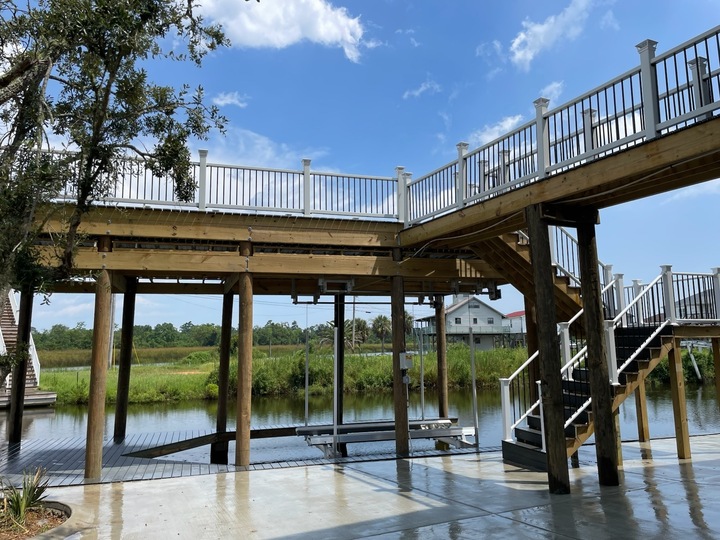
One of the primary innovative techniques employed by Coastal Marine Construction is the use of driven piles. This method involves driving large steel or concrete piles deep into the seabed to reach the stable grounds below. These piles act as an anchor, providing significant resistance against lateral forces like waves and tidal actions. Driven piles are particularly beneficial in sandy or soft soil conditions where other foundation methods might fail.
Another advanced technique is the use of floating foundations. These are especially useful in deep water where traditional piling is not feasible. Floating foundations are built to support large structures like wind turbines or offshore platforms. They use buoyancy to remain stable, strategically connected to the seabed with tensioned cables or chains. This innovative approach allows for flexibility and adaptability to the changing ocean conditions, making it an excellent choice for dynamic coastal environments.
Coastal Marine Construction also utilizes cutting-edge materials that enhance the durability and stability of marine structures. The use of corrosion-resistant materials like composite polymers and coatings significantly extends the life of structures subjected to harsh saline environments. These materials not only withstand the elements but also require less maintenance over time, offering cost-effective solutions for long-term marine construction projects.
Environmental considerations are paramount when developing foundation techniques. Coastal Marine Construction ensures that all methods employed minimize ecological disruption. By evaluating the local marine ecosystem carefully, they implement construction practices that preserve marine life and habitats while ensuring robust infrastructure. Techniques like horizontal directional drilling minimize seabed disturbance, protecting underwater flora and fauna while achieving the desired construction outcomes.
The expertise of Coastal Marine Construction also lies in site-specific customization. No two coastal projects are alike, due to variations in water depth, wave patterns, and geological compositions. By tailoring foundation solutions to the unique characteristics of each site, they ensure optimal stability and performance. Extensive geotechnical investigations and simulations allow for precise planning and execution, reducing potential risks and enhancing overall project success.
In conclusion, innovative foundation techniques are critical in ensuring stability in coastal marine construction. By leveraging advanced methods like driven piles and floating foundations, utilizing corrosion-resistant materials, and committing to environmental stewardship, Coastal Marine Construction sets the standard in marine infrastructure development. Their site-specific approach guarantees that every project not only withstands the test of time but also harmonizes with the surrounding ecosystem. As the challenges of coastal construction evolve, so too do the solutions, ensuring that these essential structures remain resilient and sustainable for future generations.
/filters:no_upscale()/filters:format(webp)/media/52dee92d-1981-4638-be85-8f5e5430d6df.webp)