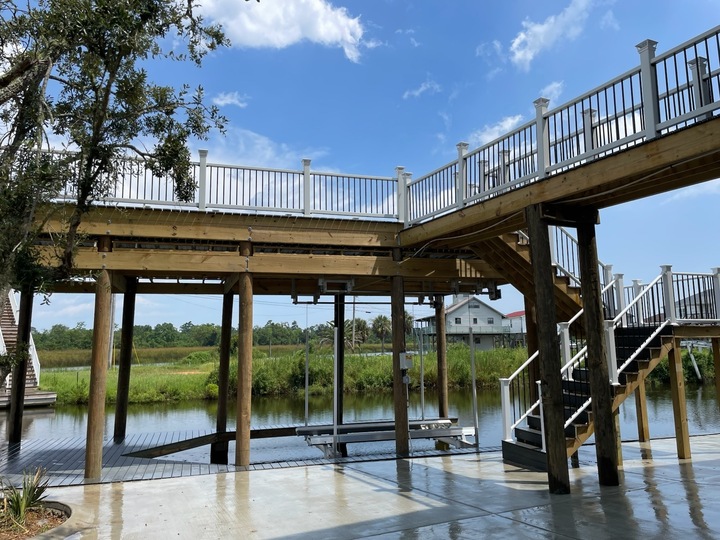
Navigating Regulatory Challenges in Marine Construction Projects Jan 29, 2026
Marine construction projects involve numerous legal and environmental regulations at the local, state, and federal levels, each designed to protect natural resources and ensure safe construction practices. For many project managers, deciphering these regulations can seem daunting. However, a methodical approach to compliance can ease the process significantly.
Firstly, it's crucial to conduct comprehensive research during the planning phase. Understanding specific regulatory requirements that apply to your type of marine construction project—whether it's building a pier, seawall, or marina—is non-negotiable. Guidelines can differ drastically depending on the project and location. Engaging with regulatory bodies early can help clarify any updates or changes in legislation that might affect your project. Coastal Marine Construction prides itself on its proactive approach, which includes regular communication with regulatory agencies, ensuring all bases are covered from the outset.
Another vital aspect is environmental impact assessment. These assessments are required to minimize the ecological footprint of marine construction activities. Projects must be evaluated for potential impacts on local wildlife, water quality, and coastal erosion. Coastal Marine Construction's team includes environmental specialists who assess these impacts and create plans that mitigate risks, demonstrating compliance and commitment to sustainable operations. Investing in detailed environmental assessments not only supports regulatory adherence but also promotes goodwill within coastal communities.
Proper documentation is another cornerstone of regulatory compliance. Accurate, comprehensive records demonstrate diligence and transparency—qualities valued by both regulatory agencies and clients. Keeping organized records of permits, assessments, and communications with authorities can serve as evidence of compliance and prove invaluable in the event of any disputes or reviews. Coastal Marine Construction uses advanced project management software to maintain an exhaustive database of all relevant documentation, ensuring easy access and tracking.
Working with local experts and consultants can also prove invaluable. Local professionals bring insights into region-specific regulations and potential challenges that might not be apparent to external contractors. Coastal Marine Construction collaborates with local experts to navigate regional policies seamlessly, reducing the likelihood of unexpected obstacles that could delay projects.
Finally, ongoing education and training for teams on current regulatory practices cannot be overstated. As regulations evolve, maintaining an informed workforce is essential. Regular training sessions help teams understand the nuances of compliance, ensuring everyone is working towards meeting regulatory requirements. Coastal Marine Construction invests in continuous learning programs, helping employees stay up-to-date with the latest developments in regulatory frameworks, which in turn bolsters project efficiency and compliance standards.
In conclusion, carefully navigating regulatory challenges in marine construction is a multifaceted endeavor that requires strategic planning, thorough research, and constant vigilance. By embracing comprehensive planning, detailed documentation, collaborative approaches, and continuous training, Coastal Marine Construction sets a benchmark for successful compliance management. This structured approach not only meets regulatory requirements but ensures projects are completed smoothly and sustainably, safeguarding our marine environments for future generations.
/filters:no_upscale()/filters:format(webp)/media/52dee92d-1981-4638-be85-8f5e5430d6df.webp)