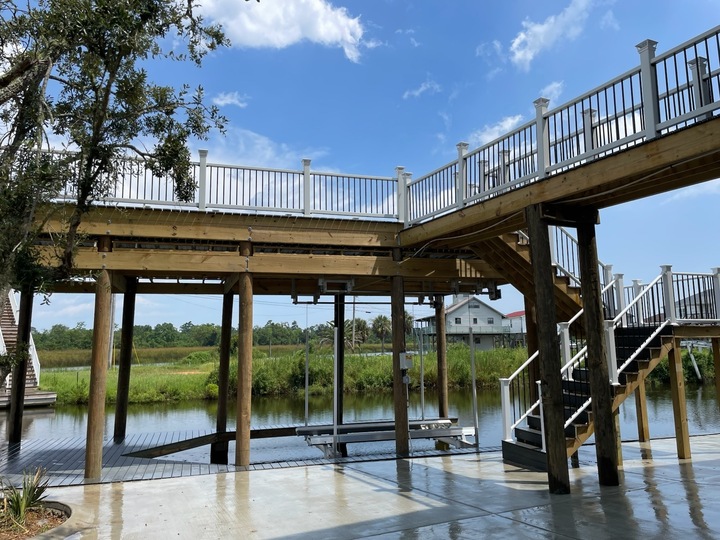
Sustainable Shoreline Engineering: Strategies for a Greener Future Jun 16, 2026
The journey towards sustainable shoreline engineering begins with understanding the delicate balance of coastal ecosystems. Natural shorelines are vital as they provide habitats for a variety of marine life, reduce erosion, and buffer against storm surges. Preserving these functions is crucial, and that's where sustainable strategies come into play.
One of the core principles of sustainable shoreline engineering is the integration of green infrastructure. This involves utilizing nature-based solutions such as living shorelines, which use plants, sand, and natural elements to stabilize coastlines. Unlike traditional hard structures, these living solutions work with nature, enhancing habitats and increasing biodiversity while simultaneously mitigating the impacts of erosion and protecting against flooding.
Another innovative approach used by Coastal Marine Construction is the implementation of permeable materials in the construction of pathways and waterfront developments. These materials allow water to filter through, reducing runoff and helping to maintain the natural hydrology of the area. This also aids in the reduction of pollutants entering waterways, further protecting marine environments.
Community involvement plays a pivotal role in successful shoreline projects. Engaging local communities not only fosters stewardship and awareness but also ensures that the implemented solutions meet both human and environmental needs. Coastal Marine Construction often collaborates with local stakeholders to develop site-specific plans that are sustainable and resilient. This collaborative approach ensures that projects are economically viable and environmentally respectful, ensuring long-term success and community support.
Monitoring and adaptive management are essential components of any sustainable shoreline project. Regular assessment of the shoreline's condition allows for timely interventions, preventing potential issues from escalating. This proactive strategy ensures that the implemented solutions continue to perform optimally, adapting to environmental changes and advancing climate resilience.
The commitment to sustainability in marine construction goes beyond environmental benefits. Sustainable practices can also be economically advantageous. By reducing reliance on concrete and other manufactured materials, projects can see a decrease in costs. Additionally, the natural beauty of living shorelines can increase property values and tourism, providing economic incentives to coastal communities.
In conclusion, the path to a greener future in shoreline engineering is paved with sustainable practices that promote ecological balance and resilience. Companies like Coastal Marine Construction are leading the way by integrating these innovative strategies, ensuring that their coastal projects are not only protective and efficient but also harmonious with the environment. By adopting these sustainable solutions, we can look forward to healthier coastlines, thriving ecosystems, and lasting economic and social benefits. As more stakeholders recognize the value of green infrastructure in shoreline projects, the shift towards sustainable shoreline engineering is not just a niche trend but a necessary evolution in marine construction practices.
/filters:no_upscale()/filters:format(webp)/media/52dee92d-1981-4638-be85-8f5e5430d6df.webp)