Weathering the Storm: Designing Robust Marine Structures for Extreme Weather Conditions Apr 10, 2026
Firstly, understanding the local environmental conditions is paramount. Each marine environment presents unique challenges, from variable tides to unpredictable weather patterns. Coastal Marine Construction emphasizes the importance of conducting thorough site assessments to evaluate factors such as wave activity, wind speed, and tidal surges. This data informs designs that can handle the specific hazards of each location, ultimately enhancing the durability of the maritime structures.
Next, material selection plays a crucial role in building storm-resistant structures. It is vital to use materials that can endure harsh marine conditions. For instance, marine-grade concrete reinforced with corrosion-resistant steel offers greater longevity against saltwater exposure. Coastal Marine Construction prioritizes eco-friendly materials that not only provide strength but also minimize the environmental impact, ensuring that these resilient structures coexist harmoniously with the marine ecosystem.
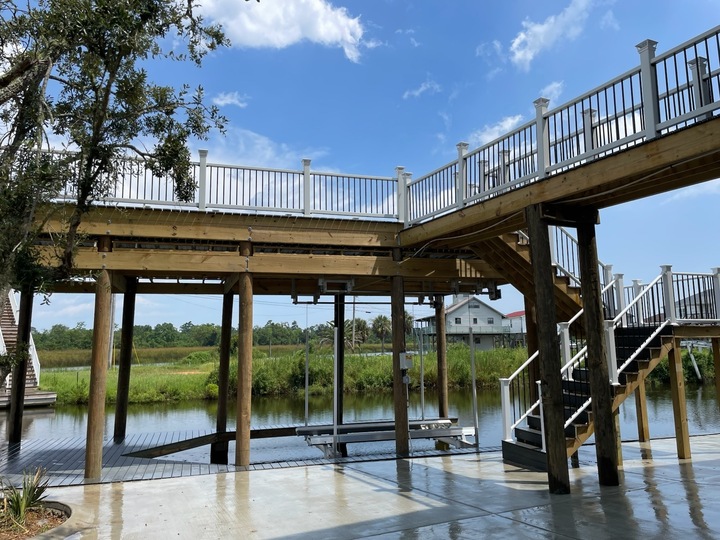
Innovative design features are another cornerstone of storm-resistant marine construction. Breakwaters, seawalls, and elevated platforms are common components that mitigate the impact of high winds and waves. Breakwaters, for example, reduce wave energy before it hits the shore, protecting both the structure and the coastline. Designing for flexibility, such as incorporating movable parts or adaptable systems, allows structures to absorb and dissipate storm forces, minimizing damage.
Advanced technology further enhances the resilience of marine construction. Coastal Marine Construction integrates cutting-edge monitoring systems that provide real-time data on environmental conditions. These systems enable prompt response to weather changes, ensuring structures can be fortified timely. Additionally, leveraging 3D modeling and simulation tools allows engineers to visualize potential storm impacts and refine designs accordingly, maximizing structural integrity.
Human expertise remains an irreplaceable element in marine construction. Skilled professionals bring a wealth of experience and insight into optimizing designs for extreme conditions. Coastal Marine Construction invests in continuous training for its team, ensuring they stay abreast of the latest advancements and best practices in the field. This commitment to expertise ensures every structure it creates is prepared for the challenges posed by severe weather.
Finally, regular maintenance and inspections are essential to preserving the integrity of marine structures. Coastal Marine Construction recommends scheduled evaluations to identify and address wear and tear or damage promptly. Proactive maintenance can extend the lifespan of the structures and prevent minor issues from escalating into costly repairs.
In conclusion, designing robust marine structures capable of withstanding extreme weather involves a multifaceted approach. By thoroughly assessing environmental conditions, selecting appropriate materials, incorporating innovative design features, utilizing advanced technology, relying on skilled professionals, and conducting regular maintenance, Coastal Marine Construction effectively builds for the future. These practices not only ensure the safety and durability of marine structures but also protect the investments of stakeholders, making them resilient assets against the unpredictable forces of nature.
/filters:no_upscale()/filters:format(webp)/media/52dee92d-1981-4638-be85-8f5e5430d6df.webp)